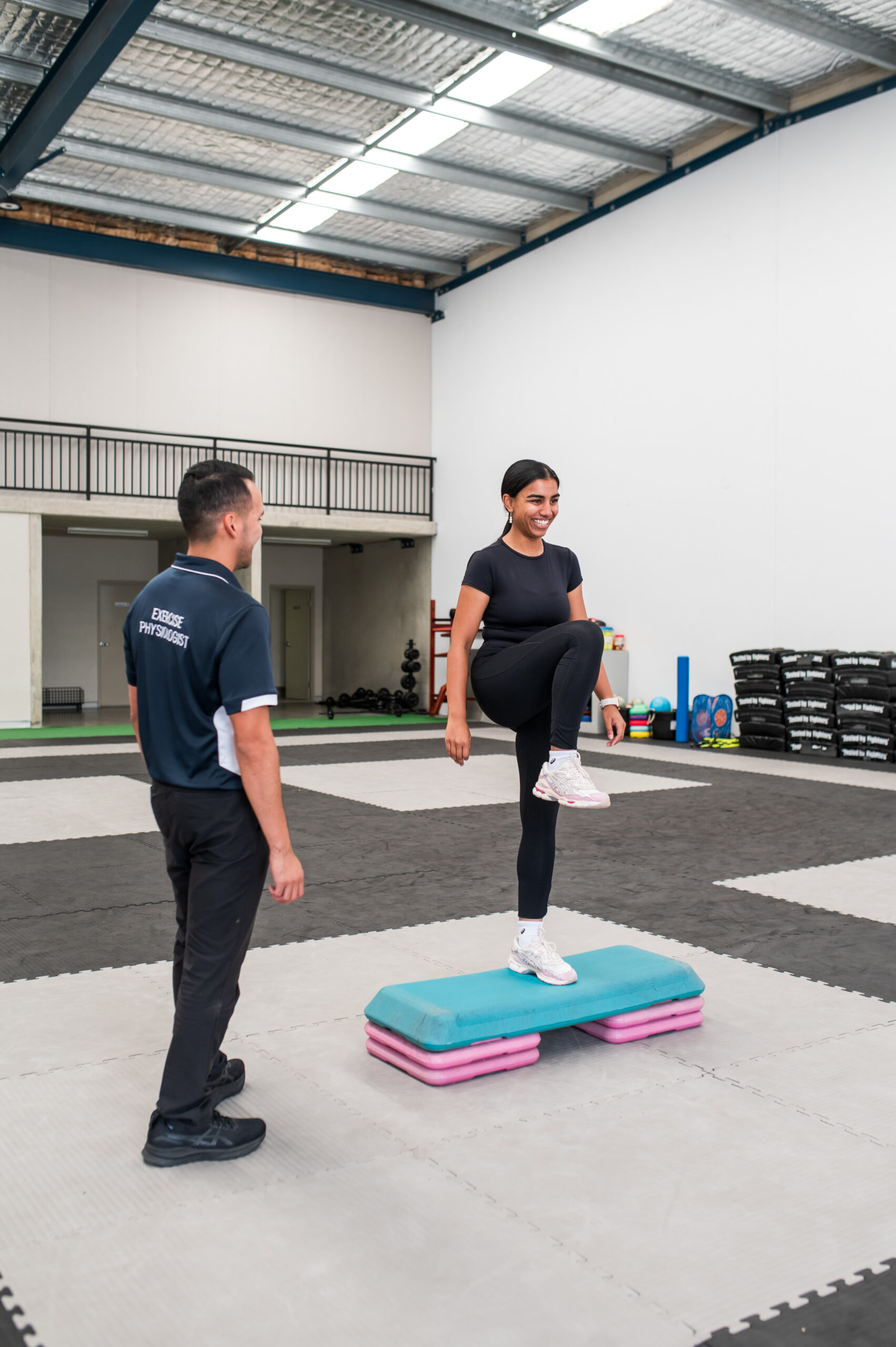
International Women’s Day is a timely reminder that women’s health often gets pushed down the list until something starts to feel harder.
For many women, it is not that they do not care about their health. It is simply that work, family, caring responsibilities and everything else have come first for so long that their own body ends up at the bottom of the list.
Sometimes that shows up as aches that keep lingering. Sometimes it is feeling weaker than you used to, getting tired more easily, losing confidence with exercise, or noticing that everyday things do not feel quite as easy anymore.
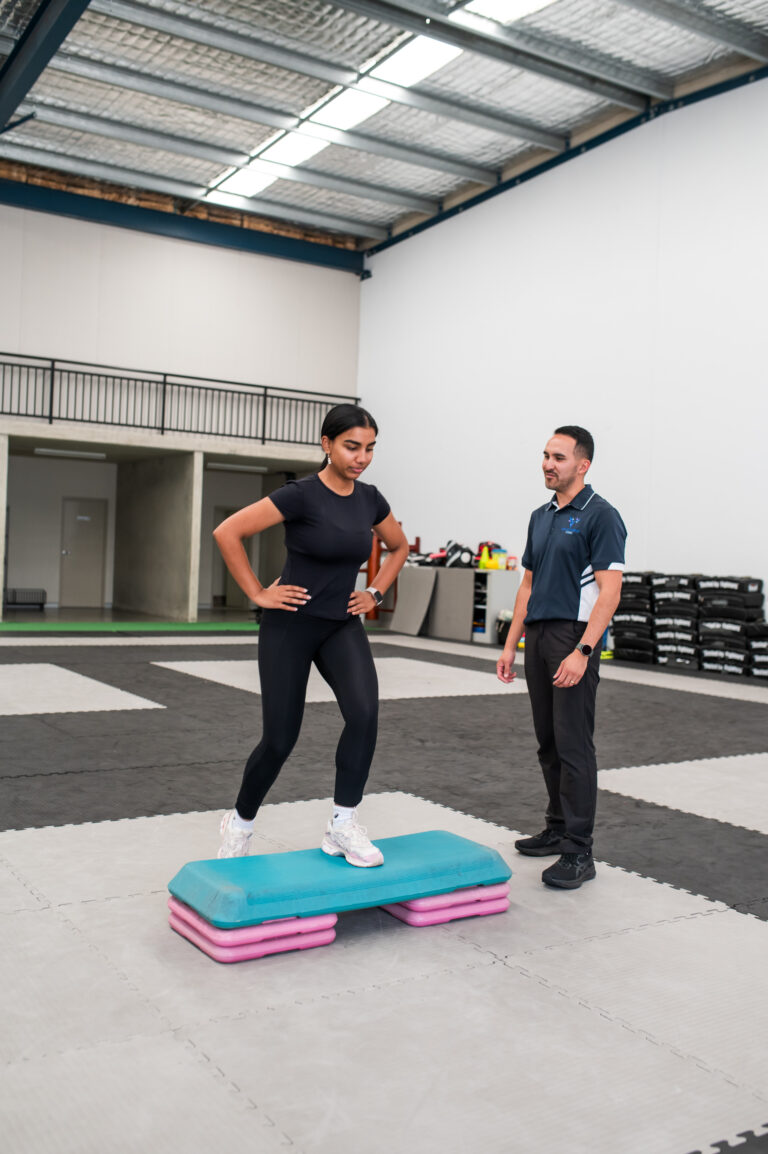
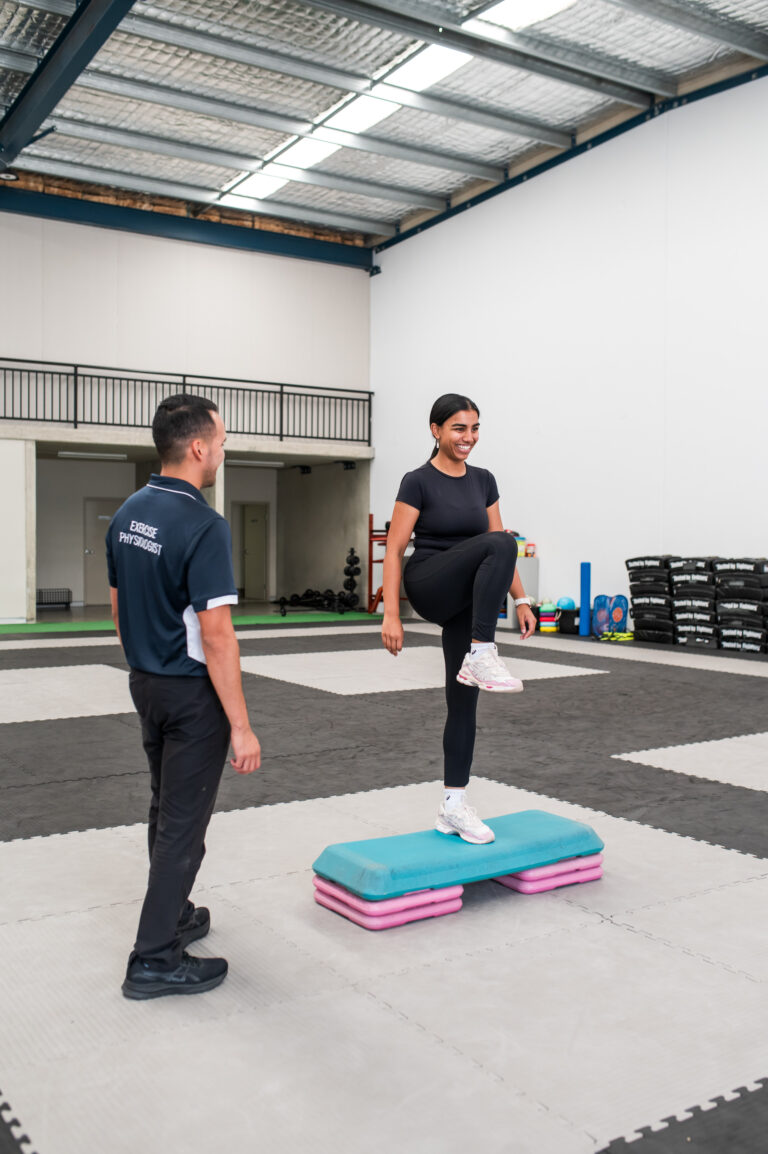
At Move 2 Thrive Clinic, we believe support should be practical, personalised and realistic. The goal is not exercise for the sake of it. It is helping people build strength, confidence and everyday capacity in a way that feels safe and sustainable.
For women looking for an exercise physiologist in Minchinbury or St Marys, tailored exercise support can help rebuild strength, improve mobility and restore confidence with movement.
For many women across Western Sydney, exercise physiology can simply be a way to feel stronger, move more comfortably and start trusting their body again.
What is exercise physiology?
Exercise physiology is a healthcare service delivered by Accredited Exercise Physiologists. It uses tailored, evidence-informed exercise to help people improve function, manage symptoms and feel stronger over time.
At Move 2 Thrive Clinic, our exercise physiologists in Minchinbury provide personalised programs designed to support strength, mobility and long-term health.
This might involve helping someone to:
-
return to exercise safely
-
rebuild strength and mobility
-
manage a chronic condition
-
recover after injury
-
regain confidence with movement
The process usually starts with understanding the person in front of us — their health history, current limitations, goals and what has made movement difficult in the past.
Rather than a generic plan, the aim is to create something that feels realistic, manageable and sustainable.
Why exercise physiology can be helpful for women
A lot of women are told to “exercise more” without being shown what that should actually look like for their body, health history or stage of life.
Many of the women we work with have spent years putting everyone else first. By the time they reach out, they may be dealing with pain, reduced strength, low energy, old injuries, or simply feeling unsure where to begin.
That is where exercise physiology can help.
Instead of broad advice or a one-size-fits-all program, the focus is on the individual — their symptoms, their goals and the barriers that have made exercise hard to maintain.
Exercise physiology may be helpful for women experiencing:
-
menopause-related changes
-
chronic pain
-
bone health concerns
-
injury recovery
-
reduced confidence with exercise
-
chronic disease
-
a long gap away from movement
For many women, the goal is not athletic performance.
It is feeling steadier on the stairs, carrying shopping bags more comfortably, walking longer distances, or simply getting up from the floor with more confidence.
Those kinds of improvements can make everyday life feel easier again.
Exercise physiology and menopause
Exercise physiology can be particularly helpful during perimenopause and menopause, when changes in energy, muscle strength, joint comfort or bone health begin to affect daily life.
Many women tell us that what used to work for them no longer feels effective. They might still be walking regularly but feel weaker, more uncomfortable, or less confident in their body than they used to.
In those situations, having a structured and personalised plan can make a big difference.
Exercise may be used to support:
-
strength and muscle maintenance
-
bone loading
-
joint comfort
-
mobility
-
confidence with movement
Strength training and weight-bearing exercise are commonly recommended to support bone health, which becomes increasingly important in midlife and beyond.
International Women’s Day can be a helpful reminder that women’s health support should evolve with the stage of life they are in.
When movement starts to feel harder
Exercise physiology is often most valuable when movement begins to feel more difficult, more painful or more intimidating than it once did.
Many women we see are not looking for intense training. They simply want to feel stronger, move more comfortably and know they are exercising safely.
Pain and loss of confidence
Some women stop exercising because movement has become painful. Others try to push through but are unsure how to modify things safely.
It is very common to worry about making pain worse.
In practice, once exercise is adjusted properly and strength is built gradually, movement often becomes far less intimidating. Progress usually starts with small, targeted steps rather than intense workouts.
Bone health concerns
Bone health is one of the main reasons structured strength training matters.
For women with osteopenia, osteoporosis risk or concerns about healthy ageing, exercise often needs to go beyond walking alone. Strength training, balance work and appropriate loading can all help support bone health and stability.
Chronic conditions
Exercise physiology can also support women living with long-term conditions such as arthritis, type 2 diabetes, cardiovascular risk factors and persistent pain.
The right program depends on the individual’s health history, symptoms and goals, which is why taking the time to understand the person first is important.
Support in the gym or at home
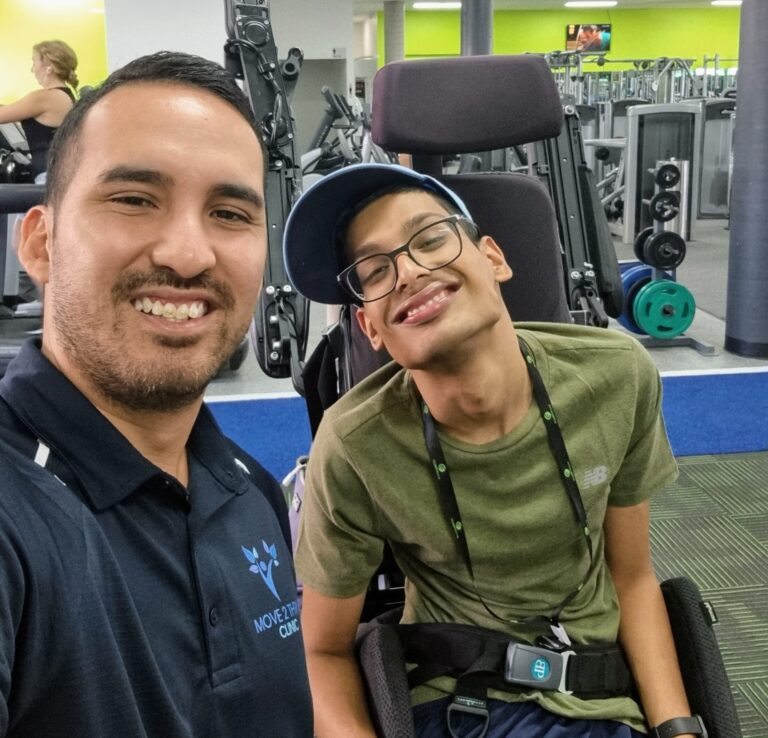
At Move 2 Thrive Clinic, we provide both in-gym exercise physiology in Minchinbury and mobile exercise physiology across St Marys and Western Sydney.
In-gym exercise physiology in Minchinbury
Working with an exercise physiologist in a gym environment can be helpful for women who want access to equipment, a dedicated space and structured support.
This may suit women who are:
-
returning to exercise after years of inactivity
-
rebuilding after injury
-
navigating menopause-related changes
-
wanting to improve strength for healthy ageing
-
managing chronic pain or chronic disease
-
looking for accountability and guidance
Often the starting point is smaller than people expect. It might involve improving sit-to-stand strength, building confidence with stairs or increasing tolerance for longer walks.
For some women, that may simply mean feeling more comfortable walking around places like Nurragingy Reserve or getting through a busy day without feeling as fatigued.
Some people also prefer beginning in a small, supportive group environment. Our Move For Life sessions in Minchinbury focus on building strength, balance and confidence with movement for adults who want to stay active and independent as they age.
Mobile exercise physiology in St Marys and Western Sydney
Mobile exercise physiology can be a good option for women who:
-
have mobility limitations
-
prefer exercising at home
-
are balancing work and family demands
-
have caring responsibilities
-
are returning to movement after illness or injury
For many people, home-based support removes one of the biggest barriers to getting started.
If you have been meaning to do something for your health but have not been sure what is safe or realistic, this can be a helpful place to begin.
What we often see in clinic
A common pattern we hear from women in their 40s, 50s and 60s is:
“I know I need to do something, but I’m not sure where to start.”
That experience is incredibly common.
Many have already tried walking programs, gym memberships, group classes or home workouts. What has often been missing is not motivation — it has been the right level of guidance.
With a gradual and personalised approach, the focus can shift from avoiding flare-ups to feeling stronger with stairs, carrying groceries more comfortably, walking for longer and getting up from the floor more easily.
Those kinds of improvements can have a meaningful impact on daily life.
Looking for an exercise physiologist in Minchinbury or St Marys?
If you are looking for an exercise physiologist in Minchinbury or St Marys, Move 2 Thrive Clinic provides both in-gym and mobile exercise physiology services across Western Sydney.
We support women with personalised programs designed to build strength, improve mobility and support long-term health in a way that feels realistic and manageable.
Move 2 Thrive Clinic supports clients across Minchinbury, St Marys, Blacktown, Mount Druitt and surrounding Western Sydney suburbs.
Ready to feel stronger with the right support?
You do not need to have everything figured out before asking for help.
Sometimes the first step is simply having a conversation about what is realistic for your body, your health and your lifestyle.
If you have been meaning to do something for your health but have not been sure where to begin, speaking with an exercise physiologist can be a helpful first step.
For women in Minchinbury, St Marys and Western Sydney, Move 2 Thrive Clinic offers personalised exercise physiology designed to support:
-
strength and mobility
-
bone health
-
chronic condition management
-
injury rehabilitation
-
long-term physical wellbeing
This International Women’s Day, making your own health a priority might start with something simple — getting the right support and taking the first step.
Author
Jeremy Pucheta
Accredited Exercise Physiologist
Managing Director — Move 2 Thrive Clinic
Jeremy and the team support clients across Minchinbury, St Marys and Western Sydney with evidence-based exercise for chronic condition management, injury rehabilitation, strength, mobility and long-term health.