Booking your first exercise physiology appointment can feel like a big step.
A lot of people know they need to do something for their health, pain, strength or recovery — but still feel unsure about what the first session will actually involve.
That is completely normal.
At Move 2 Thrive Clinic, your initial appointment is designed to help you feel understood, supported and clear on what comes next.
It is not about being thrown into a hard workout. It is about understanding where you are now, what is getting in the way, and what a safe, realistic plan could look like for you.
If you are looking for an exercise physiologist in Minchinbury, this guide explains exactly what to expect in your first appointment.
Quick summary
Your initial exercise physiology appointment at Move 2 Thrive usually includes:
-
a discussion about your health, symptoms and goals
-
a movement or physical assessment
-
advice on what is safe and realistic for you
-
a clear plan for what to do next
Appointments usually take 30–60 minutes, depending on your needs.
What happens in an initial exercise physiology appointment?
Your initial exercise physiology appointment usually takes between 30 and 60 minutes, depending on your needs, health history and the type of assessment required.
During that time, we will usually cover:
-
a discussion about your health, symptoms and goals
-
an assessment of how you are moving
-
guidance around what is safe and realistic for you
-
a personalised exercise plan or clear next-step recommendation
The goal is to give you clarity, not overwhelm.
For many people, the biggest relief is simply understanding where to start.
If more time is needed to understand your situation properly, your exercise physiologist will guide the session accordingly.
The first step: getting to know you
Your first appointment begins with a conversation.
Before we prescribe any exercise, we want to understand you properly.
That includes things like:
-
your current symptoms or limitations
-
past injuries, surgeries or diagnoses
-
medications or treatment history
-
what your day-to-day life looks like
-
your goals and what you want to get back to
-
any concerns you have about exercise or movement
For some people, that means talking about pain.
For others, it means discussing fatigue, balance, mobility, chronic disease, injury recovery, disability support, or returning to exercise after a long break.
This part matters because the right plan depends on the person in front of us.
At Move 2 Thrive, we do not believe in generic exercise advice. We focus on building strength, confidence and everyday capacity in a way that feels realistic and meaningful.
Setting goals that actually make sense
Once we understand your situation, we look at what you want to achieve.
That might include:
-
getting back to walking comfortably
-
improving strength and balance
-
managing pain more confidently
-
returning to work after injury
-
improving fitness for long-term health
-
building confidence in the gym again
-
staying active and independent
For some people, the goal is very specific.
For others, it is simply to feel stronger, steadier, and more capable in everyday life.
Both are valid.
A good initial appointment helps turn broad goals into something practical and achievable.
Physical assessment: understanding your starting point
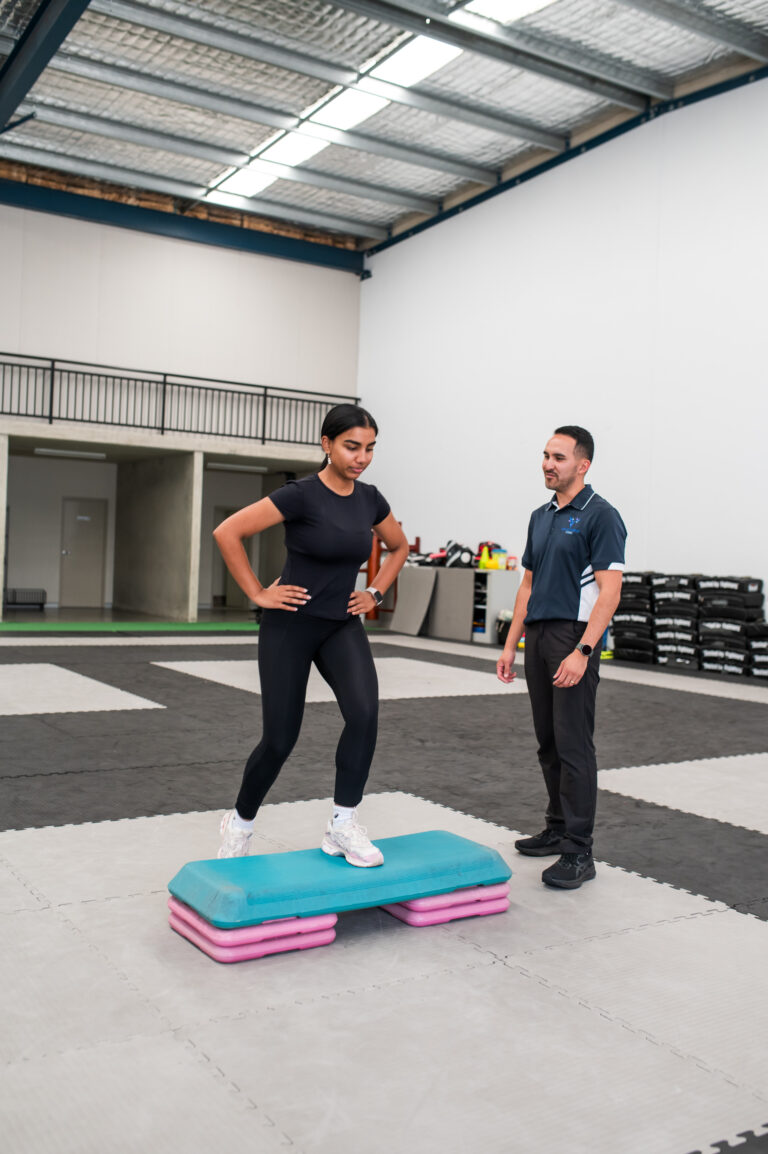
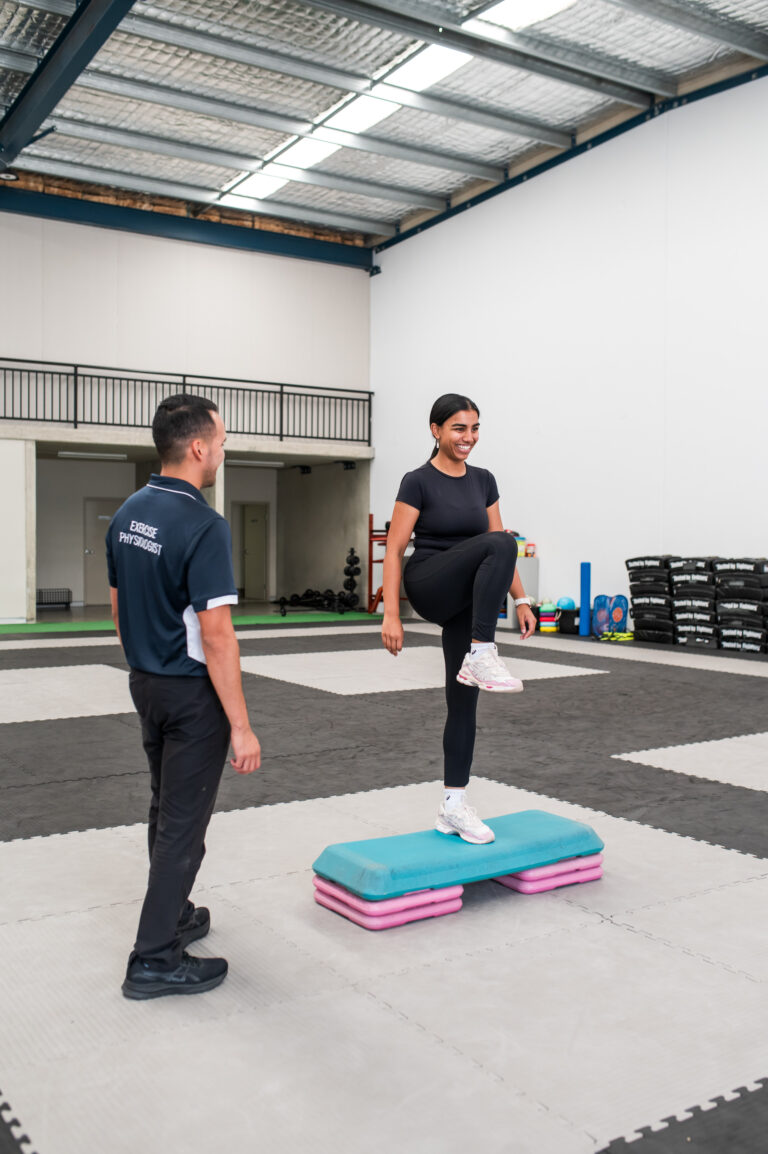
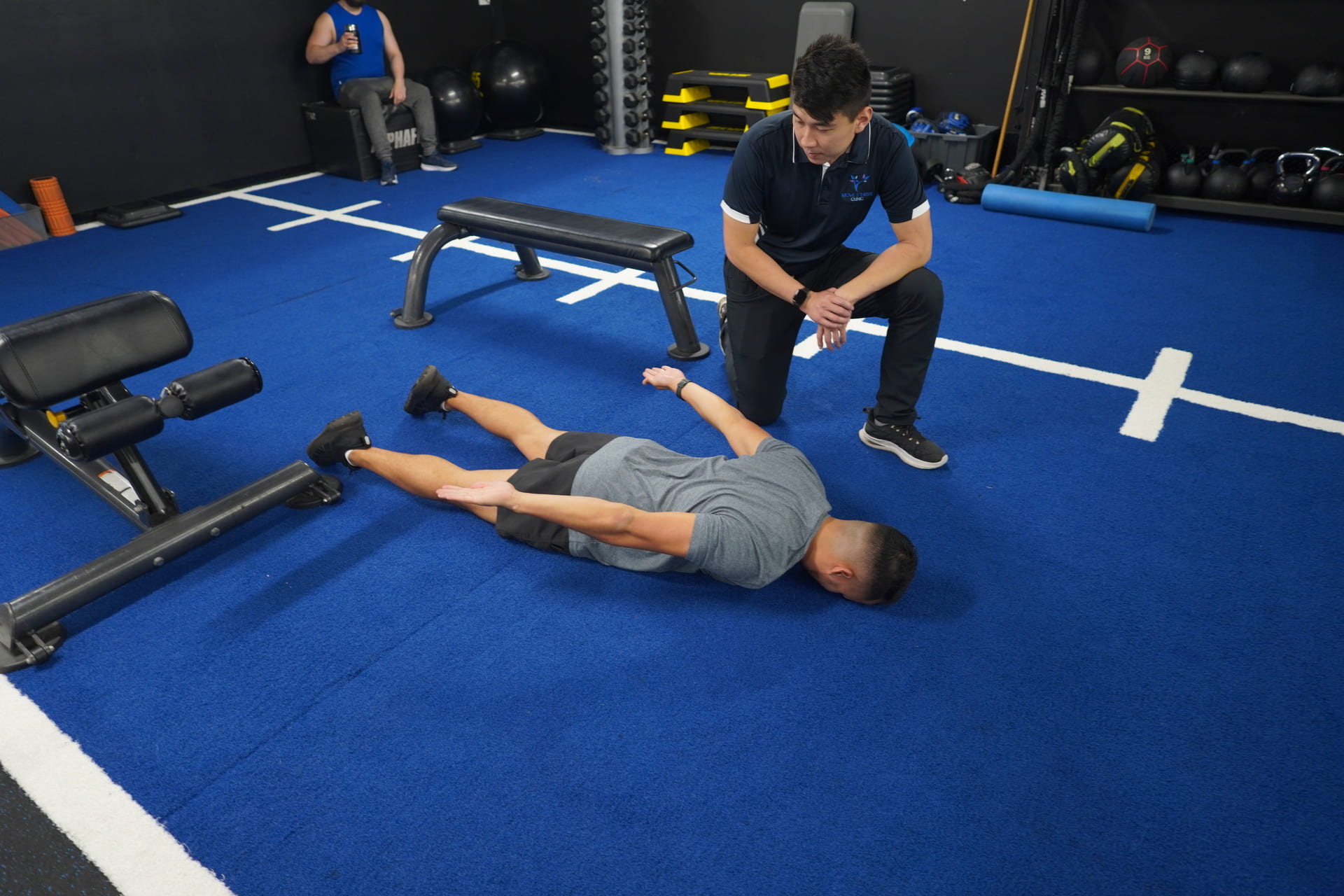
Your first session will usually include a physical assessment.
This is not about judging your fitness.
It is about understanding your current starting point so we can guide you properly.
Depending on your needs, this may include:
-
blood pressure or resting heart rate
-
range of movement
-
strength testing
-
balance
-
walking pattern
-
posture
-
sit-to-stand ability
-
simple functional movements
Not everyone needs every assessment.
Your exercise physiologist will choose what is relevant to your symptoms, goals and health history.
Everything is explained clearly, and the session is paced to suit you.
Will I exercise in the first session?
Often, yes — but not always in the way people expect.
You may be shown a few starting exercises, movements or strategies that are appropriate for your current level.
This could include:
-
strength exercises
-
mobility work
-
balance exercises
-
light cardio guidance
-
movement education
-
simple home exercises
For some people, the first session is more assessment and planning.
For others, it includes starting practical exercise straight away.
It depends on what is most useful and appropriate for you.
The aim is not to push you too hard.
The aim is to help you leave with more confidence and a clearer path forward.
What do you leave with after the appointment?
By the end of your initial exercise physiology appointment, you should leave with a better understanding of:
-
what your current priorities are
-
what kind of exercise is appropriate for you
-
what is safe to work on
-
what the next steps look like
You may also leave with:
-
a personalised exercise plan
-
home or gym-based recommendations
-
guidance around pacing and progression
-
a follow-up plan if ongoing support is needed
Most importantly, you should leave feeling more confident about what to do next.
A lot of people tell us that having a clear starting point is one of the most helpful parts of the first session.
What happens after the initial appointment?
The first session is the starting point, not the whole process.
If ongoing support is the right fit, follow-up sessions help build progress over time.
That may involve:
-
progressing your exercises
-
adjusting the plan as symptoms change
-
building confidence with movement
-
improving strength, function and independence
-
helping you stay consistent
For many people, progress does not come from doing more.
It comes from doing the right things, at the right level, with the right guidance.
Do I need to be fit before I come in?
No.
You do not need to be fit, flexible, coordinated, or confident in the gym before seeing an exercise physiologist.
A lot of people come in feeling unsure, sore, deconditioned, or worried about making things worse.
That is very common.
Your program is built around your starting point — not where you think you should already be.
If you have not exercised in years, you are not behind.
You are simply starting from where you are now.
What should I wear to my first appointment?
Wear comfortable clothing you can move in, along with enclosed shoes.
You do not need anything fancy.
If you are coming straight from work, just bring something comfortable to change into.
Do I need a referral?
Not always.
Private clients do not need a referral to book an exercise physiology appointment.
If you are attending under Medicare, NDIS, WorkCover, DVA or another funding pathway, we can guide you on what is needed.
If you are unsure, just ask. We can help point you in the right direction.
Can I bring a support person?
Yes.
If it helps you feel more comfortable, you are welcome to bring a carer, support worker or family member to your appointment.
For some clients, that extra support can make the first session feel much easier.
Who is an initial exercise physiology appointment for?
An initial appointment may be helpful if you are:
-
managing pain or stiffness
-
recovering from injury or surgery
-
living with a chronic condition
-
wanting to improve strength or mobility
-
feeling less confident with movement
-
looking for support through NDIS, Medicare or WorkCover
-
returning to exercise after a long time away
-
wanting guidance that is more tailored than a standard gym program
At Move 2 Thrive, we support a wide range of clients across Minchinbury and Western Sydney, including people working on rehabilitation, chronic disease management, disability support and healthy ageing.
Why choose Move 2 Thrive for exercise physiology?
At Move 2 Thrive, we focus on practical, personalised support.
That means helping people build strength, confidence and everyday capacity in a way that feels safe, realistic and meaningful.
We provide exercise physiology from our gym-based clinic in Minchinbury, along with:
-
mobile services across Western Sydney
-
telehealth support where appropriate
-
in-school support for NDIS participants
-
home-based support for clients with mobility or access barriers
We are an Exercise Physiology-led clinic, and that shapes how we approach assessment, progression and long-term support.
If you want to learn more about our broader services, you can explore our exercise physiology services in Minchinbury and our mobile exercise physiology support across Western Sydney.
Looking for an exercise physiologist in Minchinbury?
If you are looking for an initial exercise physiology appointment in Minchinbury, our team can help you take the first step.
Whether you are managing pain, recovering from injury, living with a chronic condition, or simply wanting to feel stronger and more confident with movement, we will meet you where you are.
You do not need to have everything figured out before booking.
Sometimes the most helpful first step is simply having a conversation and getting a clearer plan.
Common concerns before the first appointment
It is very common to feel unsure before booking your first exercise physiology appointment.
Some of the most common concerns people share are:
“I’m not fit enough.”
You do not need to be fit before seeing an exercise physiologist. Many people come in after years without structured exercise. Your program is built around your current ability.
“I’m worried exercise will make my pain worse.”
Your exercise physiologist will guide you through movements that are appropriate for your condition and stage of recovery. The goal is to build confidence with movement, not push through pain.
“I’ve tried things before that didn’t work.”
Many people we see have already tried gyms, walking programs or general exercise advice. Exercise physiology focuses on tailored programs based on your health history, symptoms and goals.
“I don’t know where to start.”
That is exactly what the initial appointment is for. You do not need a plan before you arrive — we will help you work that out together.
Ready to take the first step?
If you are considering seeing an exercise physiologist but are not sure where to start, the first step is simply having a conversation.
Booking an initial appointment can help you get clear on what is realistic, what is safe, and what the right next step looks like for you.
Move 2 Thrive Clinic
Plus Fitness Minchinbury
Phone: (02) 7229 6946
You can also enquire online to find out whether our clinic, mobile or telehealth options are the best fit for you.
Frequently asked questions
How long is the initial appointment?
Initial exercise physiology assessments typically take between 30 and 60 minutes, depending on your needs and the level of assessment required.
Do I need to exercise in the first session?
Sometimes, but not always. It depends on your needs and what is most appropriate.
What if I have not exercised in years?
That is very common. Your session and plan will be tailored to your current ability.
Do I need a referral before booking?
No, not if you are booking privately. Some funding pathways do require specific documentation, and we can guide you through that.
Can I use Medicare, NDIS or WorkCover?
Yes, depending on your eligibility and referral pathway.
Can I bring a support worker or family member?
Yes. You are welcome to bring someone with you if that helps you feel more comfortable.
Author
Jeremy Pucheta
Founder & Accredited Exercise Physiologist
Jeremy is the Founder of Move 2 Thrive Clinic and an Accredited Exercise Physiologist based in Minchinbury. He supports clients across Western Sydney with exercise physiology for injury rehabilitation, chronic condition management, strength, mobility and long-term physical wellbeing.