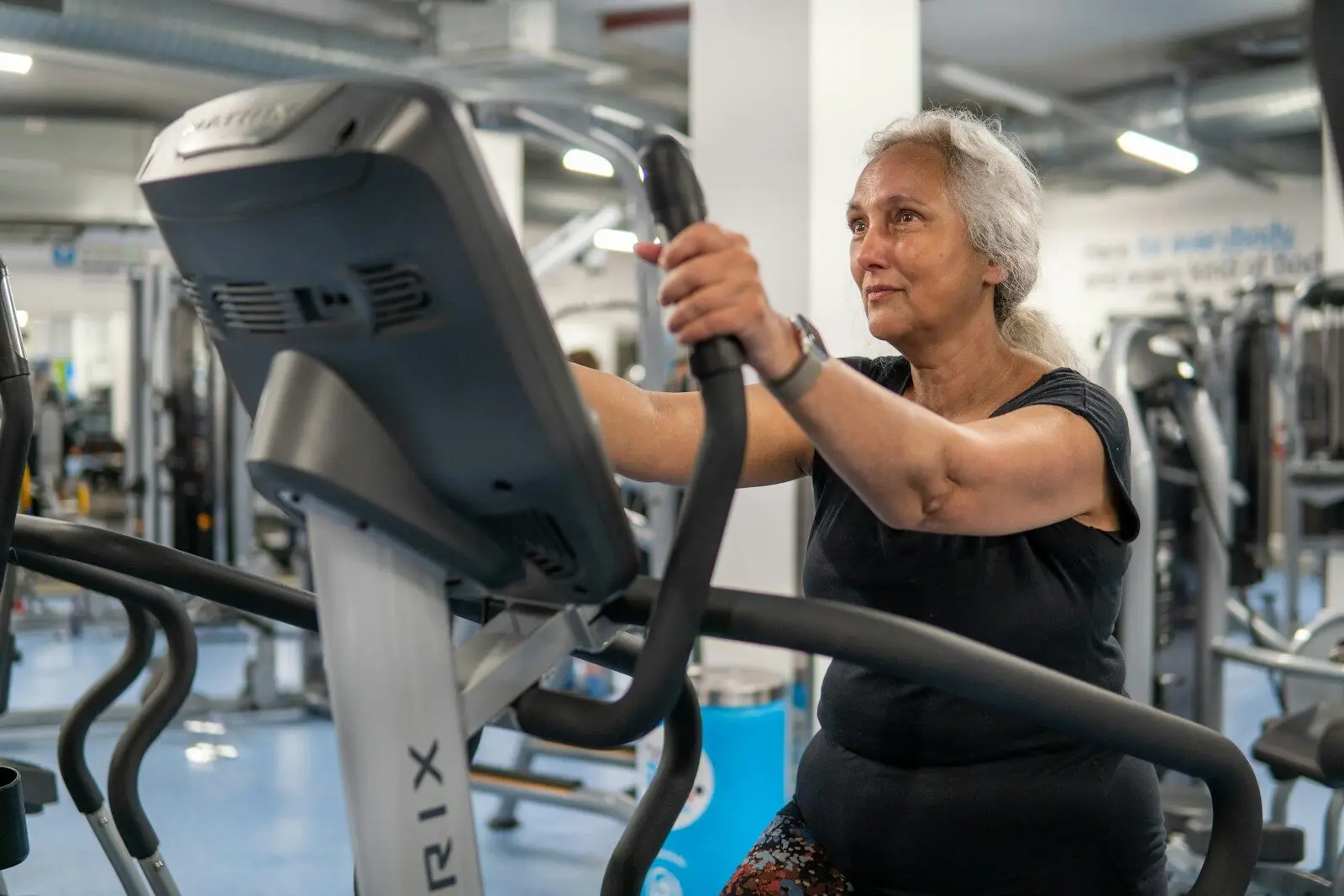
Looking for a Seniors Gym in St Marys? Here’s What to Look For
If you’re searching for a seniors gym in St Marys, you may be looking for a safe, supportive place to build strength, balance and confidence.
For many older adults, exercise is not about gym culture. It is about getting out of a chair more easily, walking more steadily, managing stairs, carrying shopping, staying involved with family life and feeling more capable in everyday movement.
A regular gym can be a good option for some people. But if you have pain, arthritis, health concerns, a history of falls, or you feel unsure where to start, you may benefit from more guided support.
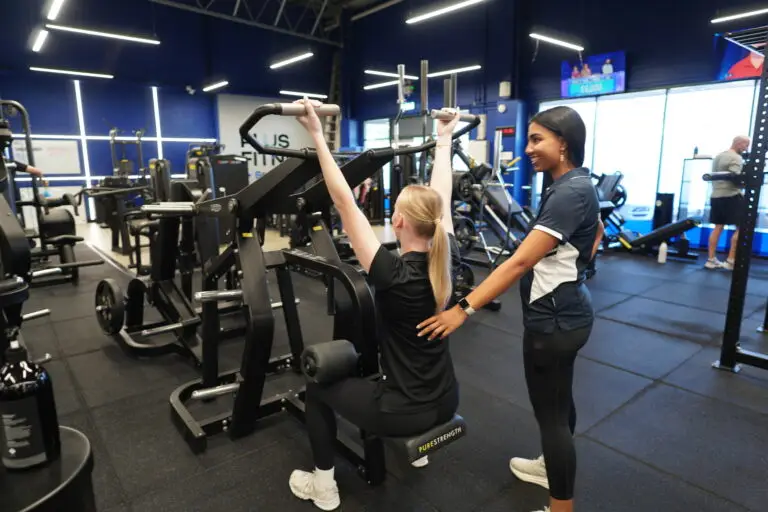
Move 2 Thrive Clinic operates from inside Plus Fitness St Marys, giving clients access to gym equipment with the added support of Exercise Physiology-led guidance.
This is why we created Move For Life — a supportive strength and balance program for adults who want to feel stronger, steadier and more confident in everyday life.
Key takeaways
- A good seniors exercise program should help build strength, balance, confidence and independence.
- A regular gym may suit confident exercisers, but guided support can be better if you have pain, health conditions, balance concerns or low confidence.
- Exercise Physiology can help bridge the gap between knowing you should exercise and knowing what is safe and realistic.
- Move For Life is our Exercise Physiology-led strength and balance program at Plus Fitness St Marys.
Short answer: what should I look for in a seniors gym?
A seniors gym or exercise program should offer qualified supervision, strength and balance training, exercises adjusted to your ability, a calm environment, clear progressions and support for health concerns such as arthritis, chronic pain, diabetes, osteoporosis or balance concerns.
Why strength and balance matter as we age
Strength and balance are not just “fitness” goals. They affect everyday life.
Strength helps with standing from chairs, climbing stairs, carrying groceries, gardening, getting in and out of the car and moving safely around the home.
Balance supports confidence with walking, turning, stepping over uneven ground and moving around busy places.
Australian physical activity guidance for older adults recommends regular movement, including strength activities and functional activities that support balance, mobility and coordination. Staying active as you get older is also linked with physical and mental health and wellbeing.
In our clinic, we often hear people say, “I know I should exercise, but I don’t know what I’m safe to do.” That is a very normal starting point.
For some people, the first step is not a hard workout. It may be learning how to move with more control, confidence and support.
Is a regular gym enough?
A regular gym may work well if you:
- feel confident using gym equipment
- already know what exercises are safe for you
- do not need much supervision
- have no major pain, injury or health concerns
- enjoy exercising independently
But a gym on its own may not feel like the right fit if you:
- feel intimidated or unsure where to start
- have arthritis, joint pain or chronic pain
- have had a fall or near fall
- feel less steady than you used to
- are returning after illness, surgery or a long break
- have diabetes, heart disease, osteoporosis or another chronic condition
- need exercises adjusted depending on symptoms
A common mistake we see is people doing too much too soon, or avoiding strength exercise completely because they are worried it will make pain or stiffness worse.
If you are unsure what is safe, the goal is not to avoid exercise altogether or push too hard. The safer starting point is often a gradual plan that meets you where you are.
Soft CTA:
Not sure whether a regular gym or a guided program is right for you? Learn more about Exercise Physiology in St Marys or get in touch with Move 2 Thrive Clinic.
What to look for in a seniors exercise program
When comparing seniors exercise classes in St Marys, over 50s exercise classes or strength and balance classes in St Marys, look beyond the word “gym”.
A good program should include:
Qualified supervision
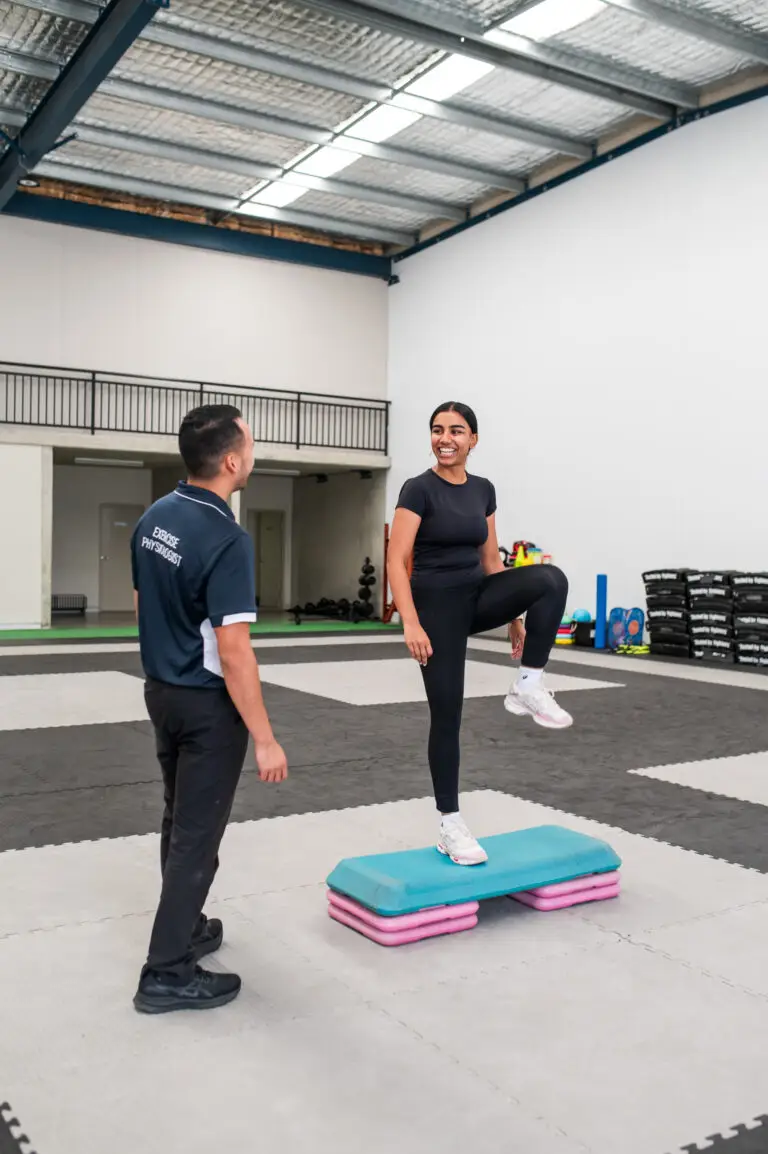
Look for support from someone who understands exercise, ageing, health conditions and how to adjust movement safely.
Strength and balance training
Balance is important, but strength matters too. NSW Health’s Active and Healthy program highlights strength and balance as important parts of staying active and addressing falls-related risk factors in older adults.
Exercises adapted to ability
Everyone should not be expected to do the same exercise in the same way.
For example, one person may practise standing from a higher chair, while another may progress to a lower chair, added weight or gym-based leg strength exercises.
A calm, supportive environment
You should not feel pressured to keep up, compete or push through pain.
Clear progressions
Progress might mean better control, improved technique, more confidence, a slightly heavier weight, or being able to do a daily task more easily.
Understanding of health conditions
If you have arthritis, osteoporosis, diabetes, heart disease, chronic pain or balance concerns, your exercise plan may need to be adapted.
Safe introduction to equipment
Gym equipment can be useful, but it should be introduced clearly and gradually.
Easy access
For people in St Marys, Minchinbury and surrounding Western Sydney suburbs, location matters. Parking, transport, mobility and confidence getting to appointments can all affect consistency.
Why Exercise Physiology may be a better starting point
Accredited Exercise Physiologists are university-qualified allied health professionals who prescribe, deliver and adapt movement, physical activity and exercise-based support for health, function, recovery and independence.
Exercise Physiology may be helpful if you:
- are nervous about exercising
- feel unfit or unsure where to begin
- have arthritis, diabetes, heart disease, osteoporosis or chronic pain
- want to support your balance and steadiness
- want support with strength, balance and confidence factors linked with falls risk
- need help building strength safely
- want a plan adjusted to your body, symptoms and goals
This does not mean every older adult needs clinical support forever. For some people, Exercise Physiology is the starting point that helps them build enough confidence and skill to exercise more independently later.
For others, ongoing guided sessions are useful because their health, pain, balance or confidence changes over time.
Strength and balance classes in St Marys
Move 2 Thrive Clinic operates from inside Plus Fitness St Marys, giving clients access to gym equipment with the added support of Exercise Physiology-led guidance.
Our Move For Life program is designed for adults who want to build strength, improve balance and move with more confidence in everyday life.
It is not a bootcamp or a “keep up with everyone else” class. The focus is structured, supportive exercise that can be adapted to your current ability, confidence, health history and goals.
For people searching for a seniors gym in St Marys, this type of program may be a better fit if your main goal is to feel steadier, stronger and more capable in daily life — while becoming more comfortable using a gym environment.
If you’re unsure whether Move For Life is right for you, start with a Free Health Assessment. We’ll help you understand whether group support, one-to-one Exercise Physiology or another pathway makes the most sense.
Who Move For Life may suit
Move For Life may suit:
- adults over 50 who want to feel stronger
- people who feel less steady than they used to
- people returning to exercise after time off
- people with arthritis, joint pain or chronic conditions
- people who do not feel confident at the gym alone
- people wanting guidance without one-to-one sessions every week
- people wanting support with balance, strength, mobility and confidence
It is not only for people who would describe themselves as “frail”. Many people start because they are still active, but they have noticed small changes.
Maybe stairs feel harder.
Maybe they avoid uneven ground.
Maybe they no longer trust their balance the way they used to.
It may not be the right first step if you have new chest pain, sudden shortness of breath, unexplained dizziness, a recent unexplained fall, sudden weakness, or a new medical concern that has not been reviewed.
In those cases, speak with your GP, specialist, physiotherapist or urgent care service first.
Healthdirect notes that falls can be linked with several factors, including balance difficulties, weak muscles, stiff joints, medicines, vision changes, health conditions and hazards around the home.
What you might work on
In a good exercise for older adults program, the exercises should connect to real life.
Getting up from chairs more easily
Practise sit-to-stand strength, leg control and confidence.
Walking with more confidence
Work on strength, balance, stepping and endurance.
Balance and steadiness
Practise supported balance exercises that can be modified or progressed.
Safe strength training
Use weights, machines, bands or bodyweight exercises in a supported way.
Stairs and everyday movement
Build strength and control for daily tasks like steps, kerbs and getting around the home.
Confidence using gym equipment
Learn how equipment works and how to use it safely.
Staying active and independent
Support participation in family life, shopping, hobbies, work, travel and community activities.
A realistic barrier is consistency. Many people start well, then stop when life gets busy, symptoms flare, or confidence drops. A supportive program should help you find a level you can return to, not just a plan that works on your best day.
Quick answer: do I need to be fit to start?
No. Many people start because they feel unsure, unfit or nervous. A good seniors exercise program should meet you where you are, adjust exercises to your ability and progress gradually as your confidence grows.
What happens before you start?
At Move 2 Thrive Clinic, this begins with a Free Health Assessment — a short phone call to understand what you’re looking for and whether group exercise, one-to-one Exercise Physiology, mobile support or another pathway makes the most sense.
You do not need to arrive fit.
You do not need to know what exercises to do.
You do not need to feel confident before you begin.
For many people, the starting point is smaller and more practical than they expected.
Can Medicare help with Exercise Physiology?
For some people, Medicare may help cover part of the cost of Exercise Physiology if they have a chronic health condition and a referral from their GP.
This is usually arranged through a GP Chronic Condition Management Plan. Under Medicare, eligible patients may be able to access a limited number of subsidised allied health services each calendar year when those services are recommended as part of their care plan. Exercise Physiology is one of the allied health services that may be included when clinically appropriate.
This may be relevant if you are living with a long-term condition such as diabetes, heart disease, arthritis, osteoporosis, chronic pain or another ongoing health concern.
Medicare does not automatically apply to everyone, and your GP is the right person to confirm whether you are eligible. At Move 2 Thrive Clinic, we can help you understand how Medicare referrals for Exercise Physiology work and whether this pathway may suit your situation.
FAQs
Is a seniors gym the same as Exercise Physiology?
No. A seniors gym usually refers to a gym or class for older adults. Exercise Physiology is clinician-led and can be adapted for people with health conditions, pain, injuries, balance concerns and different confidence levels.
Do I need to be fit to start?
No. Many people start because they feel unsure, unfit or nervous. A good program should meet you where you are and progress gradually.
Can strength training help older adults?
Yes. Strength training can support everyday tasks such as standing from chairs, walking, climbing stairs and carrying groceries. It is often most helpful when it is practical, progressive and matched to the person’s current ability.
What if I have arthritis or pain?
You may still be able to exercise, but it helps to have guidance. Exercise can often be adapted to your body, symptoms and goals. If your pain is new, severe, worsening or unexplained, speak with your GP or relevant health professional first.
Can I use Medicare for Exercise Physiology?
Some people may be able to access Medicare-subsidised Exercise Physiology if they have a chronic health condition and a GP referral through a Chronic Condition Management Plan. Your GP can confirm whether you are eligible. You can also read more on our Medicare Exercise Physiology page.
Where can I find seniors exercise support in St Marys?
Move 2 Thrive Clinic provides Exercise Physiology-led strength and balance support from inside Plus Fitness St Marys. We support adults from St Marys, Minchinbury and surrounding Western Sydney suburbs, with mobile Exercise Physiology available where appropriate.
Looking for a safer starting point?
If you’re looking for a seniors gym in St Marys but feel unsure about starting in a gym on your own, Move For Life may be a better fit.
Move 2 Thrive Clinic operates from inside Plus Fitness St Marys, combining access to gym equipment with Exercise Physiology-led strength and balance support.
Start with a Free Health Assessment and we’ll help you understand the right next step.
Written by Jeremy Pucheta, Founder and Accredited Exercise Physiologist at Move 2 Thrive Clinic
Jeremy Pucheta is the Founder of Move 2 Thrive Clinic and an Accredited Exercise Physiologist. Based at Plus Fitness St Marys, Jeremy supports people across St Marys, Minchinbury, Western Sydney and Greater Sydney to build strength, confidence, independence and everyday capacity through safe, practical, Exercise Physiology-led movement support.