Moving Beyond the Burn: 5 Things to Know About Exercise and Endometriosis
If you’ve ever been told to “push through the pain” while exercising with endometriosis, you’re not alone.
For many women, that advice simply doesn’t work.
Instead of feeling stronger, exercise can leave you with increased pelvic pain, overwhelming fatigue, or symptoms that linger for days. It can be incredibly frustrating, especially when you’re trying to do the “right thing” for your health.
The good news? Research is changing the way we think about exercise and endometriosis.
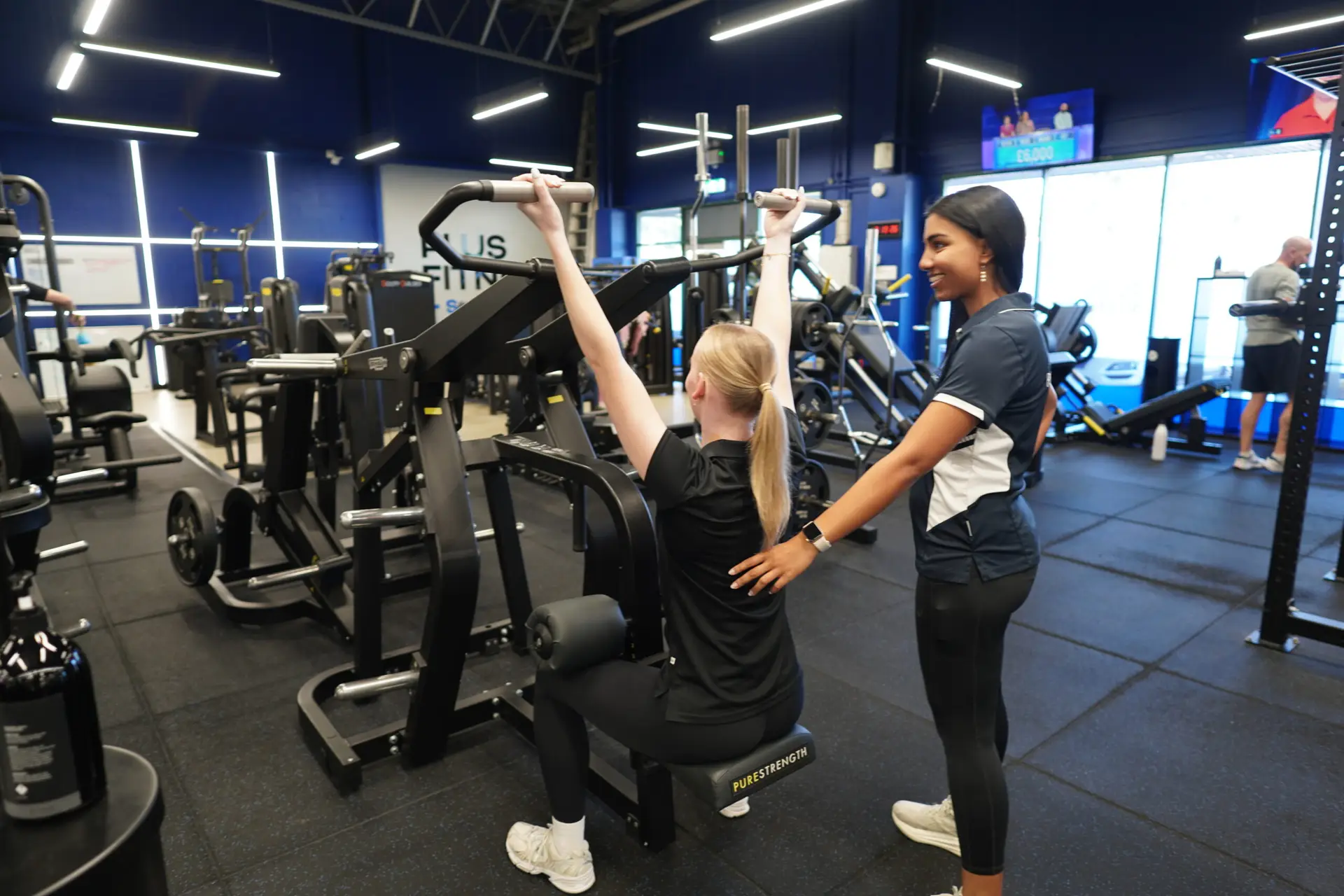
Rather than focusing on burning calories or pushing harder, an Exercise Physiologist can use movement to support physical function, confidence and long-term symptom management.
Here are five important things every woman living with endometriosis should know.
1. Endometriosis Is More Than Just Period Pain
Endometriosis is far more than a reproductive condition.
Endometriosis is a chronic inflammatory gynaecological condition that can affect much more than menstrual symptoms. Pain, fatigue and other symptoms can affect everyday function and quality of life, including:
- Persistent pelvic pain
- Fatigue
- Lower back, hip or abdominal pain
- Pain during or after exercise
- Brain fog
- Reduced exercise tolerance
Understanding this can change the way we think about support.
Rather than focusing only on symptoms during a flare, Exercise Physiology can support strength, movement confidence and everyday function.
2. Harder Isn’t Always Better
Many people assume that if exercise hurts, they simply need to push through.
For women with endometriosis, this approach can sometimes worsen symptoms.
Some people find higher-intensity or high-impact exercise harder to tolerate during symptom flares, so intensity may need to be adjusted around symptoms and recovery.
A gradual approach that responds to your symptoms and recovery can be more practical than following a “no pain, no gain” mindset.
Exercise that is often well tolerated includes:
- Walking
- Cycling
- Swimming
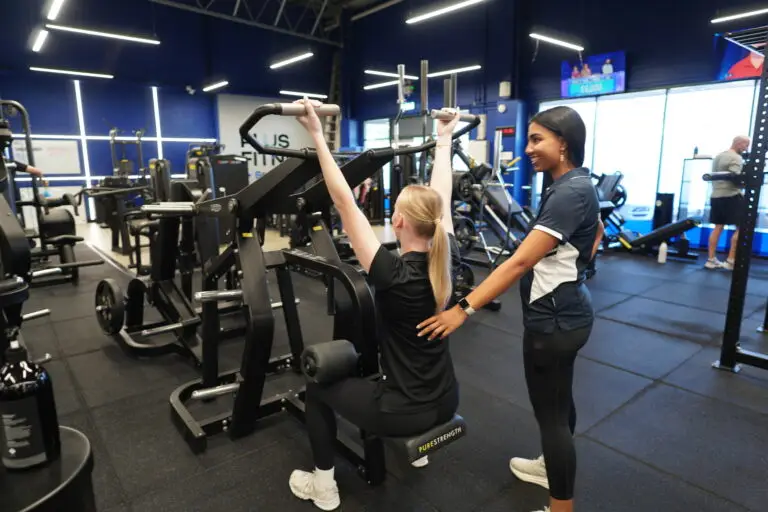
- Progressive strength training
- Pilates-based core exercises
- Gentle mobility and stretching
The goal isn’t to avoid exercise.
The goal is finding the right type, intensity and volume for your body.
3. Exercise Can Help Calm an Overprotective Nervous System
Persistent pain changes the way the nervous system processes information.
Over time, the brain can become more protective, meaning everyday movements may feel more painful than they should.
This doesn’t mean the pain isn’t real.
It means the nervous system has become more sensitive.
Appropriately prescribed exercise can provide positive movement experiences and may help build confidence with movement over time.
Think of it like gradually turning down the volume on an overactive alarm system.
4. Strength Matters More Than You Might Think
Some people living with persistent endometriosis-related pain may experience reduced strength, activity levels or confidence with movement over time.
Exercise Physiology focuses on rebuilding these foundations.
Improving strength can help:
- Better support the pelvis and lower back
- Reduce muscle guarding
- Improve posture and movement confidence
- Make everyday activities feel easier
This isn’t about building six-pack abs.
It’s about building strength and confidence so everyday movement feels more manageable.
5. Small Improvements Can Lead to Lasting Change
One small randomised controlled trial found that women who completed a supervised nine-week multimodal exercise programme experienced improvements in:
- Pain
- Quality of life
- Emotional wellbeing
- Physical function
In this study, improvements in quality of life were still evident at the 12-month follow-up.
The biggest takeaway?
For many people, consistency matters more than intensity.
For many people, small, regular sessions are more manageable than pushing too hard and experiencing repeated symptom flares.
How Can an Exercise Physiologist Help?
Exercise Physiologists don’t simply prescribe exercise.
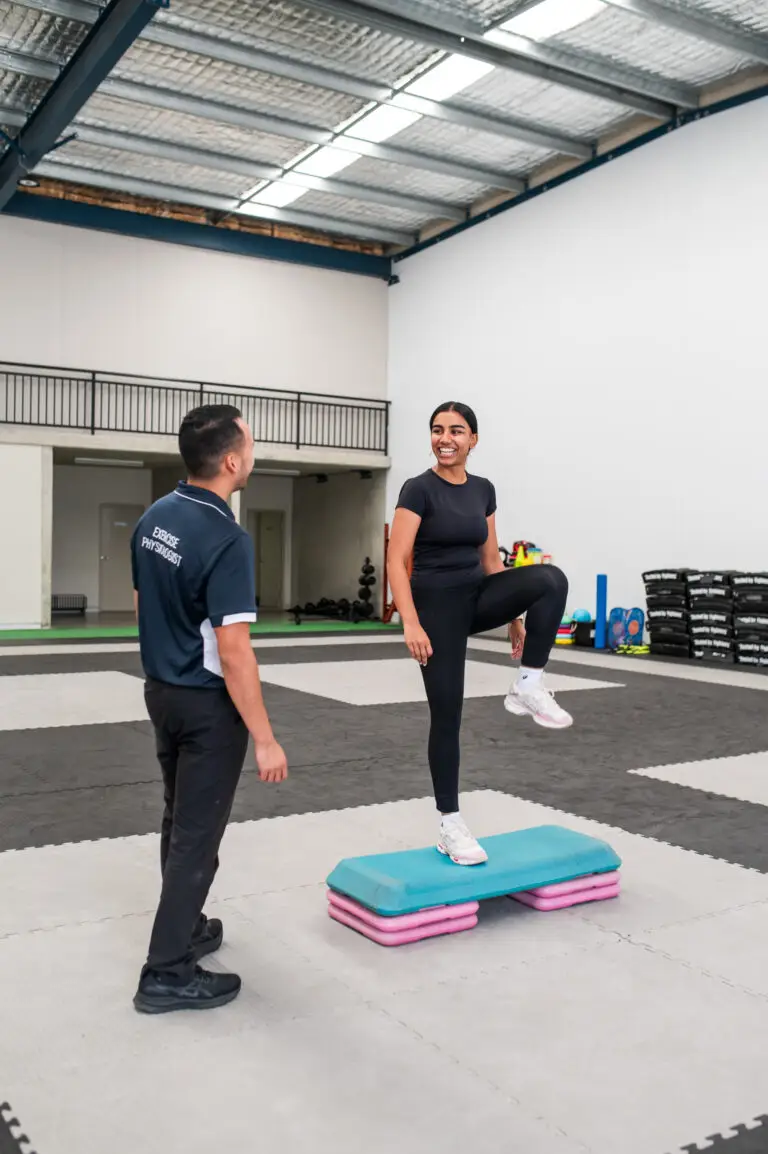
We assess how endometriosis affects your strength, movement, pain, fatigue and daily function before developing an individualised programme tailored to your goals and symptoms.
Your programme may include:
- Progressive strength training
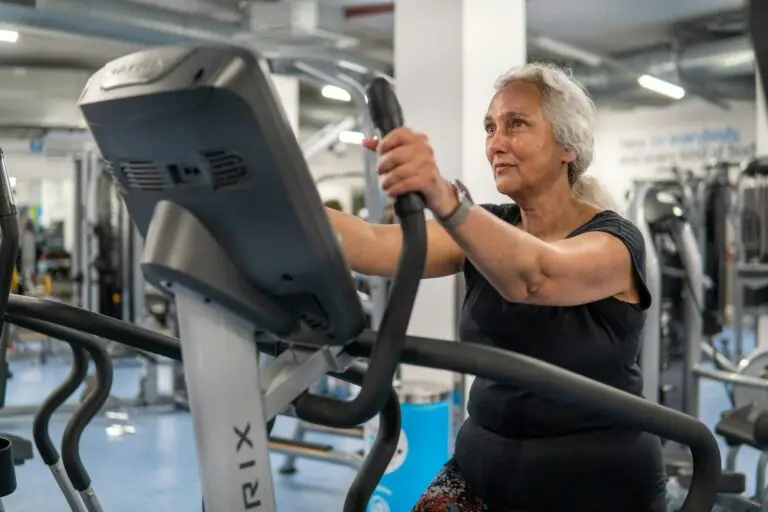
- Low-impact aerobic exercise
- Core and pelvic stability exercises
- Mobility and flexibility work
- Pain neuroscience education
- Pacing and self-management strategies
Every programme is adjusted based on your symptoms, recovery and progress.
There is no one-size-fits-all approach. For some people with a chronic health condition, Exercise Physiology may also be accessible through a GP referral under Medicare.
The Bottom Line
Living with endometriosis doesn’t mean you should stop exercising.
It means you may need a different approach.
The right exercise programme isn’t about pushing through pain. It’s about building your body’s capacity, working with your symptoms, and gradually rebuilding confidence in movement.
If you’ve stopped exercising because every attempt has made your symptoms worse, you’re not failing.
You may simply need an exercise programme designed specifically for endometriosis.
At Move 2 Thrive Clinic, our Accredited Exercise Physiologists support women living with endometriosis from our location inside Plus Fitness St Marys. Exercise can be adjusted around your symptoms, current capacity and the activities you want to get back to.
If you’re unsure where to start, you can begin with a Free Health Assessment.