Written by Jeremy Pucheta – Founder & Accredited Exercise Physiologist, Move 2 Thrive Clinic.
Published .
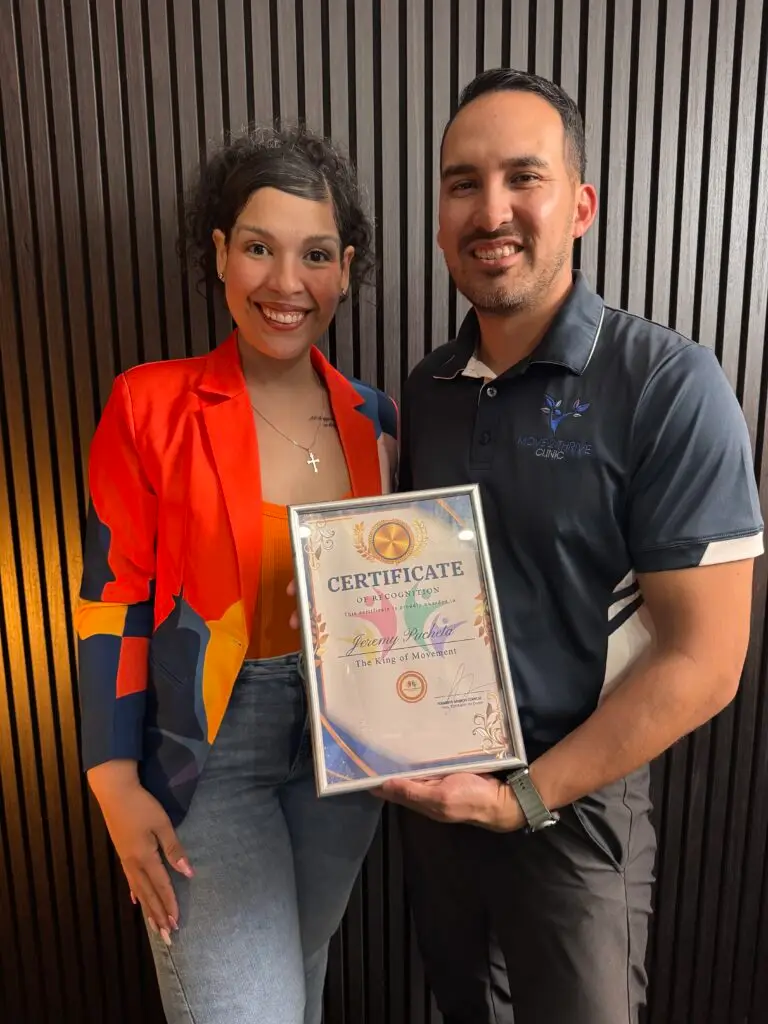
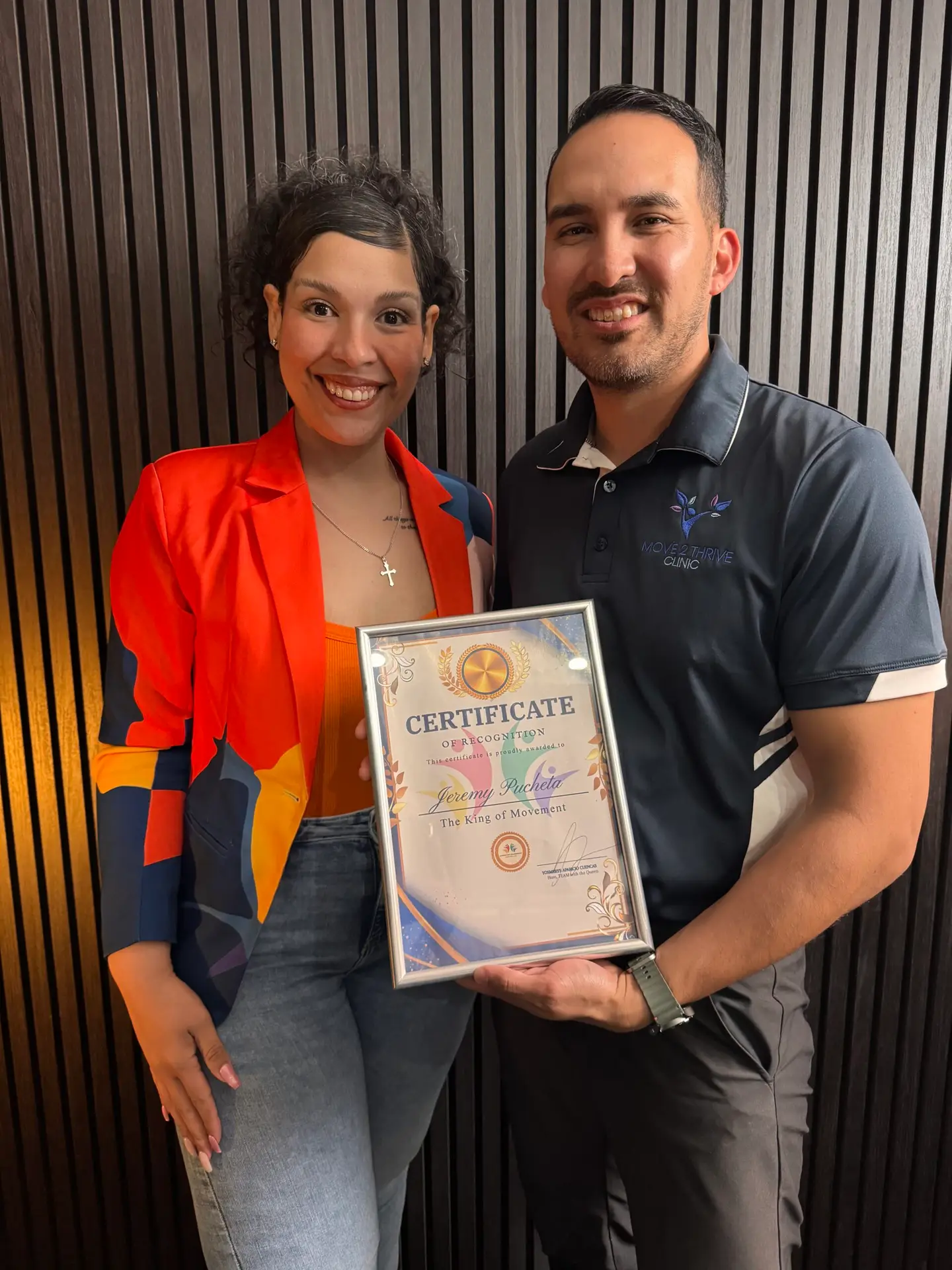
I recently sat down with Yos on the Team with the Queen podcast to talk about how exercise physiology at Move 2 Thrive Clinic in St Marys can support people living with pain or rebuilding their strength. We got past the usual fitness industry noise and into something that matters to the people we work with: how movement can help rebuild confidence, independence and trust in your own body.
Watch the full conversation on YouTube.
These were some of the ideas that stood out from our conversation.
Exercise physiology: listening before moving
Many people who walk through our clinic doors are living with persistent pain and feeling unsure about what their bodies can handle. Something as simple as bending down to pick up their grandkids can come with a fear of making things worse.
Before we start talking about exercises, we need to understand the person in front of us. What matters to them? What are they worried about? What would they like to feel confident doing again?
We use a biopsychosocial approach. In plain language, that means looking at how physical health, thoughts, emotions and everyday circumstances can influence someone’s experience of pain and movement.
Giving someone time to be heard matters, especially when they have already seen several health professionals and still feel unsure. That conversation helps us build trust and work out a manageable starting point together.
Building exercise habits: systems over willpower
Yos made a great point about consistency. Relying on willpower alone can make things harder than they need to be.
Her example was Tim Tams. If she doesn’t buy them at the supermarket, she doesn’t have to keep deciding whether to eat them late at night.
The same idea can help with rehab and training. Booking a regular session, choosing a time that fits your day or keeping your exercise equipment somewhere convenient can make it easier to follow through.
There is no fixed three-week deadline for a routine to become a habit. That process varies from person to person. What matters is finding something manageable, repeating it and adjusting when life gets in the way.
Balancing exercise, stress and recovery
We also talked about the idea of a cup holding the demands of everyday life: work, family responsibilities, poor sleep and everything else competing for your energy.
Exercise adds to that load too. It gives the body a reason to adapt, but recovery is part of that process.
If you are already stretched, adding more training may leave you struggling to recover. The cup is a useful way to talk about this, although pain and fatigue are more complex than any single analogy can explain.
Yos shared her own experience of being told to exercise less and sleep more. For her, making room for recovery helped her progress again.
The right balance will look different for everyone. Sometimes it means adjusting the intensity, frequency or type of exercise so it fits your current capacity.
Strength training and bone health as we age
Maintaining muscle strength and bone health becomes increasingly important as we get older. Muscle mass and strength tend to decline with age, and hormonal changes around menopause can accelerate bone loss.
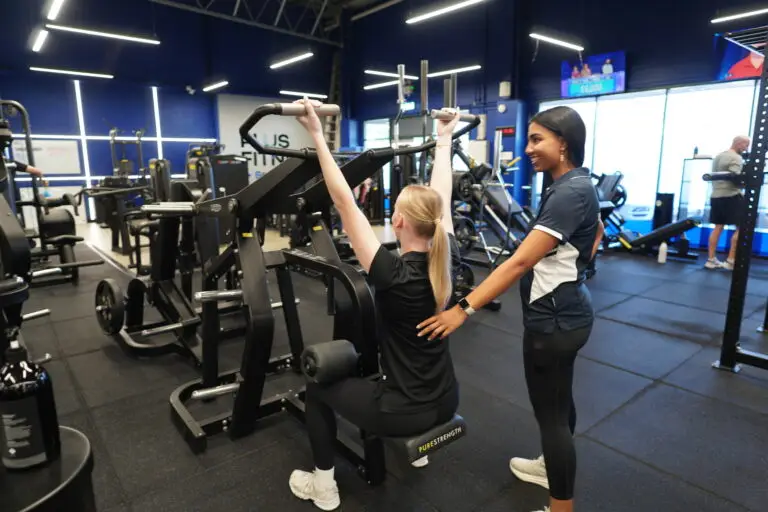
Appropriate resistance training and weight-bearing exercise can help support muscle and bone health. Balance training also has an important role in reducing falls risk. The starting point and progression need to suit the person, especially when osteopenia, osteoporosis or a previous fracture is part of the picture.
Building these habits before menopause is valuable, and there are benefits to starting later too. If you have osteoporosis, an exercise physiologist or physiotherapist can help tailor a programme to your needs. Healthy Bones Australia has a useful guide to exercise and bone health.
For us, the purpose comes back to everyday life: feeling more confident on the stairs, keeping up with family and maintaining independence for as long as possible.
Supervised bone loading with ONERO® in St Marys
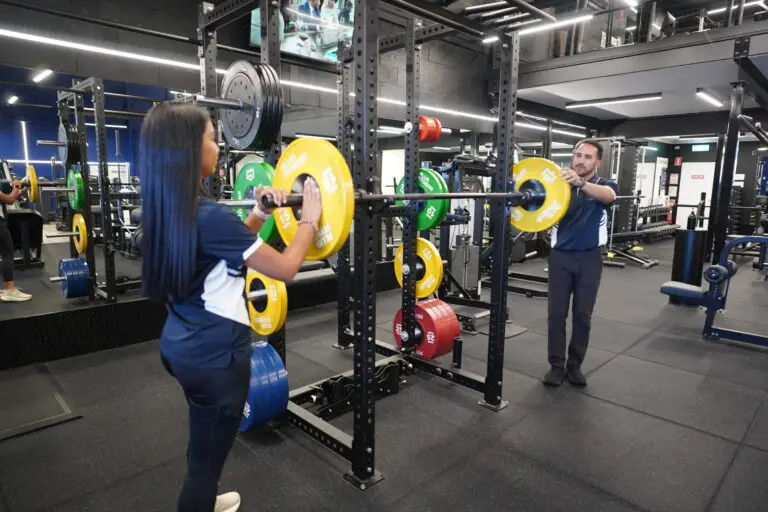
For people with osteoporosis, osteopenia or low bone mass, our ONERO® exercise program in St Marys offers supervised resistance and impact training. An individual assessment comes first to determine suitability and the right starting point. Bone loading needs to be appropriate for you, so this is not a program to copy at home without professional guidance.
If you are unsure where to begin with exercise physiology, you can request a free health assessment call to discuss your options. This is a suitability call, not a clinical assessment or treatment session.
Watch Jeremy on Team with the Queen
You can watch my full conversation with Yos on YouTube.
A massive thank you to Yos for having me on and for the work she does in the community. You can learn more about her work at Supporting Communities Australia.